Workplace Mental Health 2026: From Burnout Culture to Sustainable Performance.


What is workplace mental health in 2026?
Workplace mental health in 2026 refers to the organizational strategies, leadership behaviors, and structural systems designed to prevent burnout, increase psychological safety, and sustain long-term employee performance.
Workplace Mental Health 2026: Crisis by the Numbers
In the evolving corporate landscape, workplace mental health has transitioned from a supportive benefit to a critical strategic asset. As organizations strive for sustainable performance in 2026, the focus has shifted from reactive crisis management to building proactive, psychologically safe cultures that empower employees to thrive under pressure.
⚠️ MEDICAL & LEGAL DISCLAIMER: This article provides educational information about workplace mental health based on current research (2025–2026) and is NOT legal, HR, or medical advice. For personal mental health concerns, consult a qualified mental health professional or physician. For questions about workplace rights and legal protections, consult an employment attorney or your HR department. Individual workplace situations vary significantly. Crisis resources: 988 Suicide & Crisis Lifeline (call or text 988, available 24/7, free and confidential). This content does not constitute a therapist-client or employer-employee relationship
Workplace mental health in 2026 is no longer a peripheral HR issue — it is a core business performance factor. Rising burnout, psychological unsafety, and structural overload are directly impacting productivity, retention, and long-term organizational sustainability.
The American workplace is experiencing a mental health inflection point. Converging pressures—economic uncertainty, AI-driven role transformation, remote work fragmentation, and post-pandemic identity shifts—have created conditions where mental health is no longer a peripheral HR concern but a central operational challenge:
| Metric | 2026 Data | Source |
| Workers reporting burnout symptoms | 67% of U.S. adults | APA Stress in America Report, 2026 [8] |
| Annual cost of mental health conditions to employers | $575 billion | American Institute of Stress, 2026 |
| Employees who used AI tools for mental health support | 48.7% in past year | Spring Health Workplace Report, 2026 |
| Employers offering virtual mental health benefits | 73% | EBRI Employer Mental Health Survey, 2025 |
| Mental health-related leaves of absence (year-over-year) | +31% increase | Spring Health, 2026 |
| Employees who feel the employer genuinely cares about wellbeing | Only 34% | Gallup Workplace Survey, 2026 |
The defining paradox: Employer investment in mental health benefits has never been higher, yet employee wellbeing metrics continue declining. The gap reveals a critical insight: programs without culture change are cosmetic. Providing a meditation app to employees in a psychologically unsafe environment is the organizational equivalent of offering vitamins to someone drinking toxins.
💡 For more information, explore the complete segments of our Mental Wellness Series Overview
The Hidden Costs of Ignoring Mental Health at Work
The business case for workplace mental health is overwhelming—yet consistently underestimated because many costs are invisible or attributed to unrelated causes:
| Cost Category | Mechanism | Estimated Annual U.S. Cost |
| Presenteeism | Employees at work but cognitively and emotionally impaired | $300 billion (3–5x more costly than absenteeism) |
| Turnover | Burnout drives 50% of voluntary separations across industries | $240 billion (replacement = 50–200% of annual salary) |
| Absenteeism | Mental health conditions cause 200 million lost workdays annually | $44 billion in direct costs |
| Medical costs | Untreated mental health conditions increase physical health costs 2.5x | $280 billion (combined physical and mental) |
| Reduced innovation | Psychological unsafety suppresses risk-taking and creative contribution | An Estimated 20–35% reduction in creative output |
ROI evidence: For every $1 invested in evidence-based mental health programs, there is an estimated $4 return through improved health and productivity (Chisholm et al., 2016; WHO Health, 2026). The question is not whether organizations can afford to invest—it is whether they can afford not to.[1] [2]

Psychological Safety and Workplace Mental Health
Coined by Harvard Business School’s Amy Edmondson and validated by Google’s landmark Project Aristotle research, psychological safety—the shared belief that the team is safe for interpersonal risk-taking—is the single strongest predictor of both team performance and collective wellbeing.
Psychological safety is NOT niceness, agreement, or conflict avoidance. It is the environment in which team members can voice concerns without fear of humiliation, admit mistakes without disproportionate punishment, challenge existing approaches without career risk, and ask for help without being perceived as incompetent.
| Behaviors That Build Safety | Behaviors That Destroy Safety |
| Leaders model vulnerability: “I made a mistake; here’s what I learned” | Public blame and shaming after failures, regardless of intent |
| Curiosity before judgment: “Help me understand your thinking here” | Interrupting and dismissing contributions based on hierarchy |
| Credit attributed to its origin regardless of rank | Credit claimed by leadership; contributions absorbed without acknowledgment |
| Explicit permission to challenge: “What am I missing?” | Implicit punishment for dissent—often subtle but consistently felt |
| Failure is framed as learning data for the whole team | Failure is framed as evidence of character deficiency or incompetence |
Gallup research finds that managers account for 70% of the variance in team engagement — and highly engaged teams show 23% higher profitability and 51% lower turnover than disengaged teams (Gallup, 2024), article (McKinsey & Company, 2026).[2]
Monitoring Workplace Mental Health: Recognizing Burnout Signals (Before Crisis Strikes)

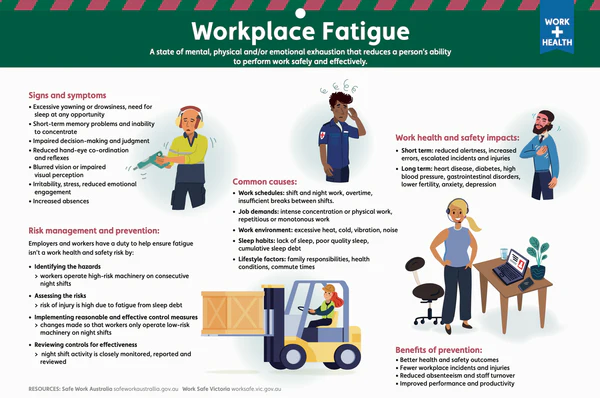
Critical management principle: Approach burnout signals with genuine curiosity and care, not performance management. A “performance conversation” with a burned-out employee reliably accelerates deterioration. The intervention is resource provision and workload adjustment, not accountability pressure
Early warning signs that require managerial attention and a caring, curiosity-led response:
| Signal | What You May Observe | Recommended Managerial Response |
| Decreased quality of work | Uncharacteristic errors; missed details; reduced initiative and follow-through | Curious inquiry: “I’ve noticed some changes recently — how are you actually doing?” |
| Communication withdrawal | Reduced participation in meetings; slower response times; shorter, less engaged replies | Private check-in with no performance framing; just genuine care |
| Cynicism/detachment | Dismissive of new ideas; critical of organization; visibly reduced investment | Acknowledge frustrations as real; explore underlying concerns with patience |
| Increased irritability | Short fuse in meetings; conflict with peers; mounting complaints | Separate the symptom from the person; explore what’s driving it underneath |
| Physical signs | Frequent sick leave; visible exhaustion; declining self-presentation | Encourage access to support resources; temporarily reduce unnecessary pressure |
Boundaries as Professional Strategy
Research consistently shows that employees who maintain clear work-life boundaries produce higher-quality work and sustain performance longer than those who are perpetually available. Boundaries are not limitations—they are resource management. Practical implementation: set end-of-work communication windows in your email signature; use status messages to communicate focused work blocks; batch check email and messaging 2–3 times daily rather than continuously; decline meetings that lack a clear agenda or could be addressed asynchronously.
Recovery Rituals — The Science of Psychological Detachment
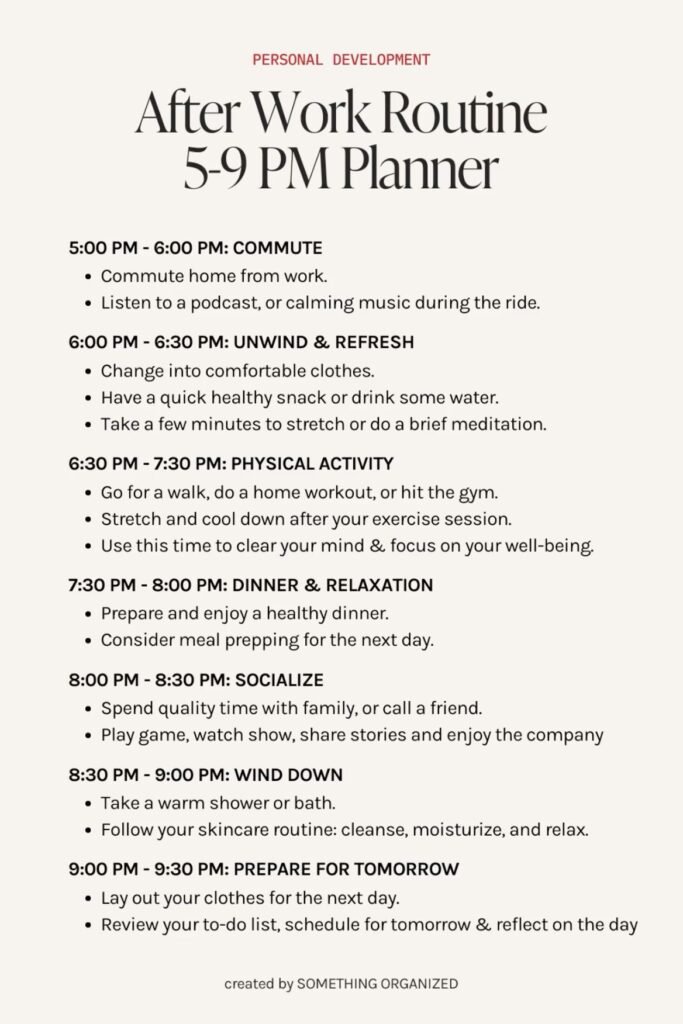
Psychological detachment from work during non-work time is the single most consistent predictor of next-day engagement and cognitive performance. Strategies: a consistent end-of-work ritual (writing tomorrow’s top 3 priorities, then closing the laptop) signals psychological closure to the brain. Physical transition—changing clothes, taking a brief walk—creates embodied separation. Avoid work-topic conversations in the first 30 minutes after work to allow genuine decompression.
Proactive Help-Seeking
- Employee Assistance Programs (EAP): Typically 3–8 free sessions per issue per year, covering mental health, financial counseling, and legal support—far underutilized by most employees
- Mental health days: 1–2 planned recovery days per quarter prevent the accumulation of stress debt far more effectively than reactive sick days
- Peer support networks: Colleagues who have navigated similar challenges often provide the most relevant, accessible, and immediately useful support.
See our article: Men’s Mental Health Guide — practical guidance for men navigating workplace mental health and help-seeking
For Managers: Building Mentally Healthy Teams
The 1-on-1 as Mental Health Infrastructure
Regular, protected 1-on-1 meetings are the primary structural tool available to managers for team mental health monitoring and support. Effective 1-on-1s include: opening with a genuine wellbeing check-in (“Before we cover work topics—how are you actually doing this week?”); active listening without immediate problem-solving; following the employee’s agenda, not just project status updates; and normalizing difficulty with statements like “This has been a genuinely hard quarter for a lot of people.”
Workload Visibility and Realism
Invisible overload is one of the most common and preventable burnout drivers. Managers who maintain genuine visibility into actual team capacity—not just deliverables and deadlines—intervene before accumulation becomes a crisis. Practical tools: weekly workload temperature checks using a simple 1–10 scale; regular prioritization conversations (“If we must delay one of these three projects, which has the lowest impact?”); and explicit, stated permission to flag unsustainable workload without any career risk.
Modeling Recovery
Managers who visibly take lunch breaks, maintain after-hours boundaries, and openly discuss their own wellness practices create genuine cultural permission for their teams to do the same. The opposite—managers who signal 24/7 availability and never take time off—creates implicit performance pressure that overrides any formal wellbeing policy, no matter how well-intentioned.
💡 For more information, explore the complete segments of our Mental Wellness Series Overview
Workplace Mental Health Strategy: Structural Changes That Work
| Intervention | Evidence Base | Implementation Note |
| Manager mental health training | Organizations with trained mental health champions and manager wellbeing training show significantly better rates of help-seeking and early intervention among employees (CIPD, 2023)[3] | Mandatory for all people managers; updated and refreshed annually |
| Flexible work arrangements | Employees with greater autonomy over their work time and location report significantly lower burnout risk and higher well-being (Gallup, 2024)[4] | Focus on outcome metrics and deliverables, not physical visibility or hours logged |
| Formal mental health days policy | Planned recovery prevents stress accumulation; signals genuine cultural permission | Distinct from sick days, proactive and encouraged rather than reactive and stigmatized |
| No-meeting blocks | Uninterrupted deep work time reduces cognitive load, frustration, and context-switching | Organization-wide protected blocks (e.g., no meetings on Friday afternoons) |
| Workload calibration processes | Most burnout is driven by structural overload, not individual weakness or poor attitude | Regular capacity reviews with teams; explicit prioritization conversations |
| Senior leader disclosure | Organizations where leaders openly discuss mental health experience significantly reduced stigma and higher rates of employee help-seeking | Requires genuine, not performative, disclosure—timing and context matter significantly |
Read more in: Alzheimer’s Family Support Guide
Work-Life Integration vs. Work-Life Balance: What Actually Works
The “balance” metaphor implies that work and life are adversarial counterweights requiring equal daily allocation. Research suggests a more useful frame is integration—the conscious design of a life in which work, relationships, health, and purpose coexist sustainably across time, with different seasons requiring different emphases.
This is not about perfect daily equilibrium—some periods require intensive work investment; others prioritize recovery and relationship. Sustainable integration is characterized by: conscious, intentional choice about energy allocation rather than reactive response to whoever shouts loudest; recovery built in as infrastructure rather than earned through crisis; and clarity about non-negotiables (specific family commitments, health maintenance, social connection) that are protected regardless of work pressure.
The 2026 Reality: Remote Work and the Loss of Transition Rituals
Remote and hybrid work has simultaneously enabled greater flexibility and eroded natural work-life boundaries. The dissolution of the commute—which served as a genuine psychological transition ritual for millions of workers—has left many perpetually available in a way that would have seemed extraordinary a decade ago. Intentional design of boundaries and daily rituals is now a professional skill, not a personal luxury or character trait.
Practical transition rituals: A 10-minute end-of-workday walk. Changing out of work clothes immediately after logging off. A brief physical or mental practice that marks the shift from work mode to personal time. Small actions, consistently repeated, create the psychological closure that allows genuine recovery.
FAQ
Q1: Can I discuss my mental health with my manager without risking my career?
This depends significantly on your organization’s culture and your specific manager’s maturity and training. Generally, sharing what you functionally need—flexibility, temporarily reduced workload, access to EAP—is safer than diagnostic disclosure. You are never obligated to disclose a specific mental health condition to your employer. Focus on functional needs: “I’m going through a difficult period and may need some flexibility over the next few weeks.”
Q2: What are my legal protections for mental health conditions at work?
In the United States, the Americans with Disabilities Act (ADA) covers many mental health conditions when they substantially limit major life activities. This includes depression, anxiety disorders, PTSD, and bipolar disorder. Covered employees are entitled to reasonable accommodations. Consult your HR department or an employment attorney for specific guidance—legal protections vary by employer size and state.
Q3: How do I support a colleague I’m worried about without overstepping?
Express specific, caring concern: “I’ve noticed you’ve seemed tired lately—I just wanted to check in and see how you’re doing.” Offer concrete support: “I’m here if you want to talk, no pressure at all.” Avoid any form of amateur diagnosis or pressure to disclose. Share EAP resources naturally: “I actually used our EAP last year—it was really helpful and completely confidential.” Follow up consistently—one conversation rarely opens a closed door, but sustained genuine care over time builds the trust that eventually does.
Q4: Is remote work ultimately good or bad for mental health?
The evidence is genuinely nuanced: autonomy and eliminated commuting consistently improve wellbeing; social isolation and dissolved boundaries consistently worsen it. Remote work outcomes depend primarily on individual personality, home environment quality, relationship strength, and employer support. Fully remote workers with strong social networks, adequate workspace, and employers who create connection opportunities report higher well-being than many office workers. Those who are socially isolated or lack adequate workspace report worse outcomes.
Q5: What is the single most impactful thing a manager can do for team mental health?
Make the 1-on-1 meeting sacred and non-negotiable—and use it as a genuine wellbeing check-in, not just a project status update. Consistent, protected 1-on-1 time where employees feel genuinely seen and heard is the highest-leverage structural intervention available to any manager, regardless of organizational budget or policy. It costs nothing but time and genuine attention.
Ultimately, prioritizing workplace mental health is the only path to sustainable performance in a high-speed economy. By redesigning our systems to value human well-being as much as output, we create resilient organizations capable of facing any challenge. The future of work is not just about digital transformation; it is about human restoration.
Mental Wellness Series Overview
This article is part of the Mental Wellness Series — an evidence-based collection of guides exploring psychological resilience, mental health strategies, and the science behind sustainable wellbeing in 2026.
REFERENCES
- [1] Chisholm, D., et al. (2016). Scaling-up treatment of depression and anxiety: A global return on investment analysis. The Lancet Psychiatry, 3(5), 415-424. doi:10.1016/S2215-0366(16)30024-4 https://www.thelancet.com/journals/lanpsy/article/PIIS2215-0366(16)30024-4/fulltext
- [2] Deloitte. (2023). Global Mental Health at Work Survey 2023: The ROI of Workplace Wellbeing. Deloitte Insights.
https://www.deloitte.com/us/en/insights/topics/talent/workplace-mental-health-programs-worker-productivity.html - [3] CIPD. (2026). Health and Wellbeing at Work: Annual Survey Report. Chartered Institute of Personnel and Development.
https://www.cipd.org/uk/knowledge/reports/health-wellbeing-work/ - [4] Gallup. (2024). State of the Global Workplace 2024: Employee Wellbeing and Autonomy Findings. Gallup Press.
https://www.gallup.com/workplace/349484/state-of-the-global-workplace.aspx - [5] Achor, S., & Kellerman, M. (2013). Resilience Is About How You Recharge, Not How You Endure. Harvard Business Review.
https://hbr.org/2016/06/resilience-is-about-how-you-recharge-not-how-you-endure - [6] World Health Organization. (2022). Mental Health at Work: Policy Brief. WHO Department of Mental Health and Substance Use.
https://www.who.int/teams/mental-health-and-substance-use/promotion-prevention/mental-health-in-the-workplace - [7] McKinsey & Company. (2026). Workplace Mental Health: Findings from the McKinsey Health Institute Survey.
https://www.mckinsey.com/mhi/our-insights/reframing-employee-health-moving-beyond-burnout-to-holistic-health - [8] APA Center for Organizational Excellence. (2024). 2024 Work and Wellbeing Survey: Trends in Workplace Mental Health. American Psychological Association.
https://www.apa.org/pubs/reports/work-well-being - [9] U.S. Equal Employment Opportunity Commission. (2024). Depression, PTSD, and Other Mental Health Conditions in the Workplace: Your Legal Rights. EEOC.
https://www.eeoc.gov/laws/guidance/depression-ptsd-other-mental-health-conditions-workplace-your-legal-rights