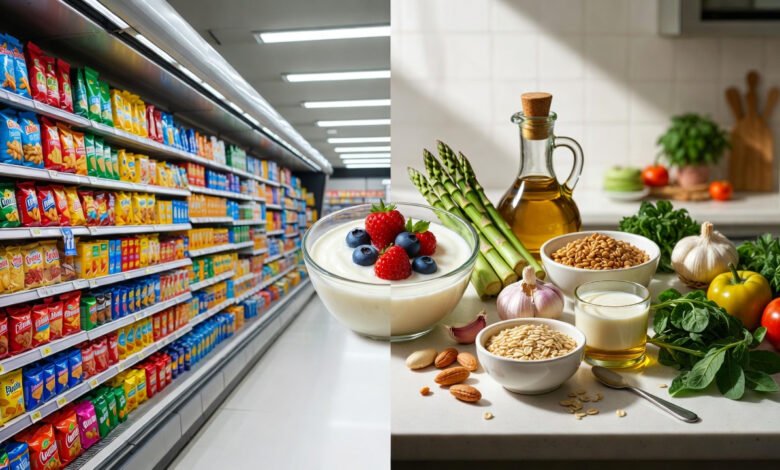
Check the ingredients list on a standard supermarket loaf of bread. After flour, water, and yeast, you will likely find emulsifiers, dough conditioners, preservatives, and flavour enhancers — ingredients primarily used to extend shelf life, stabilise texture, or standardise flavour in industrial production. Now consider that the average adult in the United Kingdom consumes 57% of their daily calories from ultra-processed foods (UPFs), while in the United States, the figure reaches 60%.
⚠ Medical Disclaimer: This article provides educational information based on current research (2025–2026) and is not a substitute for professional medical or dietetic advice. IBS is a complex, heterogeneous condition. Always consult a qualified gastroenterologist or registered dietitian before making significant dietary changes, particularly if symptoms are severe or you have co-existing health conditions.
For the estimated 10–15% of adults globally who live with irritable bowel syndrome (IBS), this may be clinically relevant. A landmark 2026 study published in Gut — involving 3,400 IBS patients across eight countries — found that high ultra-processed food consumption was significantly associated with greater IBS symptom severity
This guide explains the mechanisms behind the ultra-processed foods’ IBS connection, identifies the additives most consistently associated with symptom worsening in current research, and provides a practical, evidence-based dietary transition plan that does not require eliminating convenience from your life entirely.
Understanding Ultra-Processed Foods: The NOVA Classification
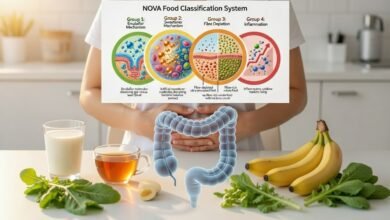
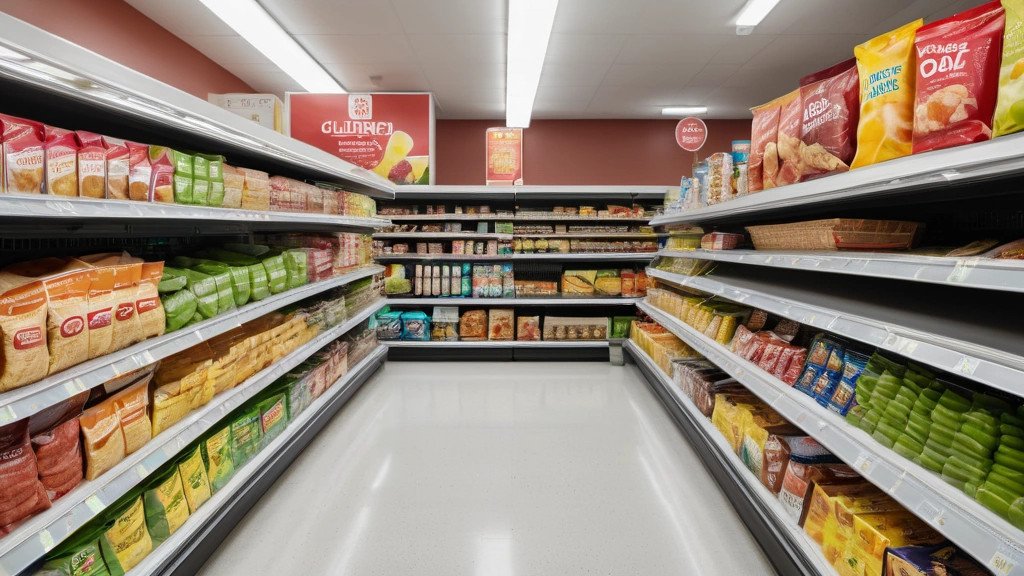
Not all processed foods are created equal. The NOVA classification system[1], developed by nutritional epidemiologists at the University of São Paulo and now used by the World Health Organisation (WHO) and the UK Office for Health Improvements and Disparities (OHID)[1,3], categorises foods into four groups based on the extent and purpose of processing, not nutrient content.
| NOVA Group | Description | Examples | IBS Risk |
| 1 — Unprocessed / Minimally Processed | Natural foods with no or minimal alteration | Fresh vegetables, plain meat, eggs, legumes, plain yogurt | Low — generally protective |
| 2 — Processed Culinary Ingredients | Extracted from Group 1, used in cooking | Oils, butter, flour, salt, sugar | Neutral — context dependent |
| 3 — Processed Foods | Group 1 + Group 2 combined with simple preservation | Canned fish, cheese, cured meats, bread (traditional) | Low-moderate — mostly safe |
| 4 — Ultra-Processed Foods (UPFs) | Industrial formulations with 5+ additives and not used in home cooking | Packaged snacks, fast food, diet drinks, processed meats, ready meals | HIGH — primary concern for IBS |
The critical distinction is not calories, fat, or sugar — it is the presence of industrial additives found exclusively in Group 4 products.
These substances have been investigated as potential contributors to gut barrier disruption in experimental and observational studies — a growing body of evidence that forms the foundation of the ultra-processed foods and IBS connection explored in this guide.
How Ultra-Processed Foods Trigger IBS: 4 Mechanisms
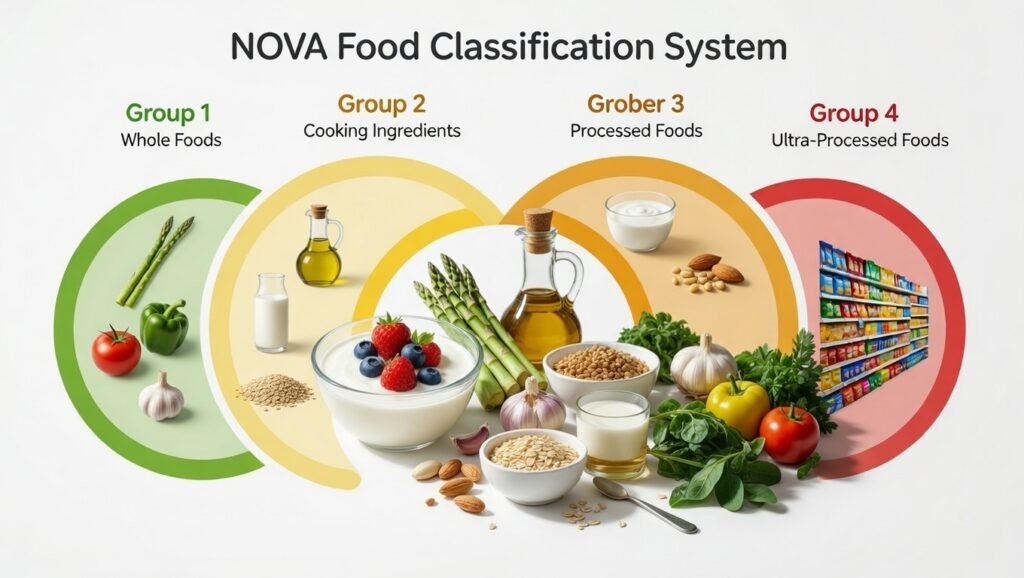
The ultra-processed foods IBS connection is not a single mechanism — it is four converging pathways that compound one another, which is why UPF-driven IBS can be so persistent and multi-symptomatic.
Mechanism 1: Can Emulsifiers Cause IBS Flare-Ups? The Mucus Layer Evidence
Certain emulsifiers have been shown in experimental settings to reduce mucus thickness or alter its protective properties.
Your intestinal lining is protected by a mucus layer — a gel-like barrier 150–300 micrometres thick that keeps bacteria and food particles separated from gut lining cells. Emulsifiers, the most widely used additives in ultra-processed foods, are detergent-like molecules designed to blend oil and water. In experimental models, they appear capable of altering mucus structure and function.
A 2025 Cell Host & Microbe study demonstrated that polysorbate 80 (E433) and carboxymethylcellulose (E466) — present in ice cream, sauces, salad dressings, and dozens of other products — were associated with a reduction in measured mucus thickness in experimental conditions; IBS symptom severity scores were significantly higher in the emulsifier-exposed group compared to controls consuming the same diet without these emulsifiers
The consequences may cascade: bacterial proximity to epithelial cells increased, potentially contributing to immune activation, visceral hypersensitivity, and the cramping and urgency characteristic of IBS.
Mechanism 2: Artificial Sweeteners Disrupt Microbiome Balance
Sugar-free and “diet” ultra-processed products typically replace sucrose with artificial sweeteners, and the potential implications for IBS may be clinically relevant, particularly in sensitive individuals. Sorbitol (E420) and mannitol (E421) are osmotic laxatives at doses of 10–20g; a single serving of many “sugar-free” products delivers 3–7g, easily accumulating to symptom-triggering levels across a day’s eating.
Beyond osmotic effects, a 2026 Nature study confirmed that sucralose, saccharin, and aspartame — the three most common high-intensity artificial sweeteners — significantly altered microbiome composition within two weeks of daily consumption at amounts found in standard servings. Bifidobacterium and Lactobacillus populations declined measurably; pathobiont bacteria associated with intestinal inflammation increased.
💡 The sweetener exception: Stevia (steviol glycosides) and allulose show neutral or mildly beneficial microbiome effects in current research and are preferable alternatives when sweetness is needed.
Mechanism 3: Low Fibre Content Starves Beneficial Bacteria
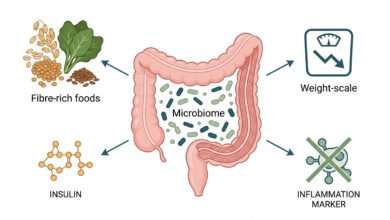
Ultra-processed foods are, almost without exception, fibre-depleted.[2] The industrial processes that create their signature textures — extrusion, hydrolysis, high-heat treatment — destroy or remove the dietary fibre present in original ingredients. A bag of crisps (potato chips) made from potatoes contains virtually none of the resistant starch present in a whole potato.
Beneficial gut bacteria — particularly Faecalibacterium prausnitzii and Bifidobacterium — are obligate fermenters. Without prebiotic fibre, they decline rapidly. F. prausnitzii, arguably the most important single species for gut barrier integrity and anti-inflammatory butyrate production, is consistently found at lower levels in IBS patients compared to healthy controls, and lower still in high-UPF consumers.
Mechanism 4: Chronic Low-Grade Inflammation
Several studies have reported associations between higher ultra-processed food intake and elevated inflammatory markers — interleukin-6, C-reactive protein, and tumour necrosis factor-alpha — through multiple converging routes: emulsifier-driven barrier disruption, microbiome shifts favouring pro-inflammatory species, excess omega-6 fatty acids from refined seed oils, and advanced glycation end-products (AGEs) generated by high-heat processing.
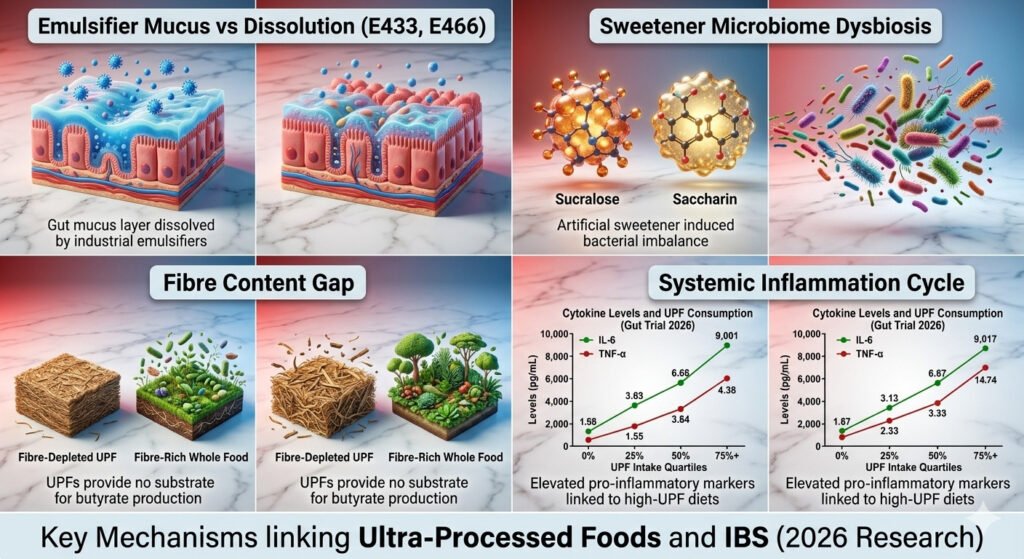
For IBS patients, this matters because IBS, historically classified as a functional disorder, is now recognised to involve low-grade mucosal inflammation in a subset of patients.
Systemic inflammation associated with higher UPF intake may contribute to worsening symptom severity in susceptible individuals.
💡 For complete information, explore the complete segments of our [Nutrition and Gut-Brain Health series articles here]
The Most Harmful Additives for IBS: A Practical Reference
Understanding which specific additives to avoid transforms label-reading from a vague exercise into a targeted skill. The following table summarises the additives with the strongest evidence for IBS symptom worsening, their E-numbers, and the product categories where they most commonly appear.
| Additive | E-Number | Mechanism | Commonly Found In | IBS Impact |
| Polysorbate 80 | E433 | Associated with mucus layer alteration; increases permeability | Ice cream, sauces, bread improvers | HIGH |
| Carboxymethylcellulose | E466 | Associated with mucus layer alteration; alters microbiome | Dairy products, dressings, processed meats | HIGH |
| Carrageenan | E407 | Linked to inflammatory responses in experimental models; barrier damage | Dairy alternatives, infant formula, deli meats | HIGH |
| Sorbitol | E420 | Osmotic diarrhoea; gas from fermentation | Sugar-free gum, diet confectionery, low-calorie drinks | HIGH |
| Mannitol | E421 | Osmotic diarrhoea; gas | Sugar-free products, chewing gum | HIGH |
| Sodium nitrite | E250 | Microbiome disruption; oxidative stress | Processed meats (bacon, ham, sausages) | MODERATE–HIGH |
| BHA / BHT | E320/E321 | Reported in some studies to affect the gut microbiome alteration | Crisps (chips), cereals, and margarine | MODERATE |
| Artificial colours (Tartrazine, Sunset Yellow) | E102/E110 | Intestinal permeability increase; immune activation | Soft drinks, sweets, savoury snacks | MODERATE |
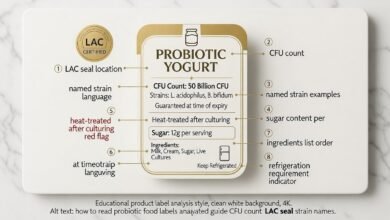
💡 Practical label-reading tip: Ingredients are listed in descending order by weight. If E433, E466, E407, E420, or E421 appear in the first eight ingredients of a product, consider it high-risk for IBS symptom triggering.
What 2026 Research Suggests: Current Clinical Evidence
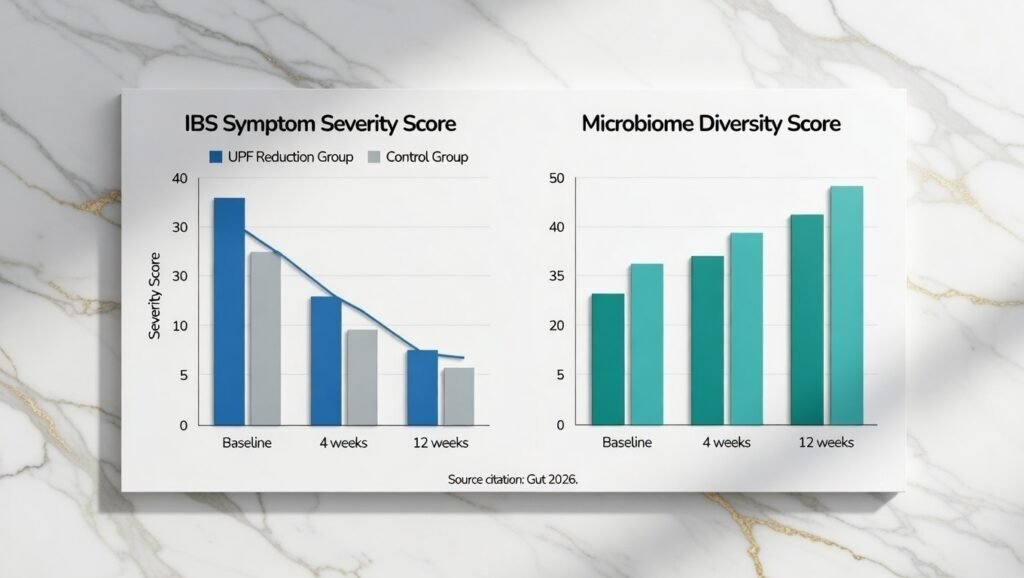
The Gut Trial (2026): Largest UPF-IBS Study to Date
Participants were randomised to either continue their habitual diet (including approximately 55% of calories from UPFs) or replace 30% of their daily UPF calories with matched whole-food equivalents — same calorie count, similar convenience, but using NOVA Group 1–3 foods instead of Group 4.
The most comprehensive evidence to date emerged from a multicentre randomised controlled trial published in Gut in early 2026. Researchers enrolled 3,400 adults with a confirmed IBS diagnosis (Rome IV criteria) across eight countries, including the United States, the United Kingdom, Canada, and Australia.
The Gut Trial (2026): Key Outcomes at 4 and 12 Weeks
| Outcome Measure | 4 Weeks | 12 Weeks | Statistical Significance |
| IBS Symptom Severity Score reduction | 44% | 61% | p < 0.001 |
| Bloating frequency | 38% reduction | 57% reduction | p < 0.001 |
| Bowel irregularity days per week | 2.1 → 0.9 days | 2.1 → 0.4 days | p < 0.001 |
| Faecalibacterium prausnitzii levels | +23% increase | +41% increase | p = 0.003 |
| Intestinal permeability (lactulose/mannitol) | Non-significant | 29% improvement | p = 0.012 |
| Quality of life score | +18% | +34% | p < 0.001 |
Note: The control group showed no significant improvements across any measure at 4 or 12 weeks, confirming the role of dietary composition in observed outcomes.
Beyond the main trial, a prospective cohort study from the University of Toronto, published in the American Journal of Gastroenterology (2025), followed 12,000 adults without IBS for seven years. Participants in the highest quartile of UPF consumption (more than 50% of daily calories) were 2.8 times more likely to develop IBS by study end than those in the lowest quartile (less than 20% of daily calories from UPFs). This dose-response relationship held after adjustment for stress levels, antibiotic use, sleep quality, and physical activity, confirming that ultra-processed food consumption may be an independent risk factor for IBS.
The Practical Transition Plan: Reducing UPFs Without Upending Your Life
Current evidence suggests a meaningful association, though practical implementation requires a structured approach, not willpower. In practical terms, a NOVA-based diet plan for IBS involves identifying your current Group 4 foods, finding their Group 1–3 equivalents, and making one replacement per week — a pace that research shows produces lasting change without triggering the dietary fatigue that drives relapse. For those seeking the best diet for IBS sufferers in 2026, this replacement-based approach consistently outperforms elimination diets in long-term adherence studies. The following four-week transition plan uses a replacement approach rather than an elimination approach, which research consistently shows produces better long-term adherence. Simple, targeted food swaps remain the most reliable way to reduce IBS bloating naturally without medication or rigid dietary protocols.
The 80/20 Framework
Aiming for 80% of daily calories from NOVA Group 1–3 foods and accepting 20% flexibility from Group 4 is both clinically effective and behaviourally sustainable. A 2026 Nutrients meta-analysis found this threshold associated with measurable microbiome changes in the majority of participants and IBS symptom reduction in 78% of participants — without the dietary rigidity that drives relapse.
Week-by-Week UPF Reduction Protocol
| Week | Primary Focus | Key Swaps | Expected Outcome |
| Week 1 | Remove highest-risk additives | Replace processed meats (E250) with grilled chicken, tinned fish, and eggs. Remove diet drinks containing sorbitol/mannitol. | Reduced bloating within 5–7 days in most patients |
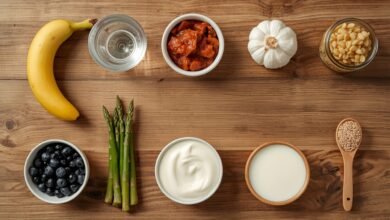
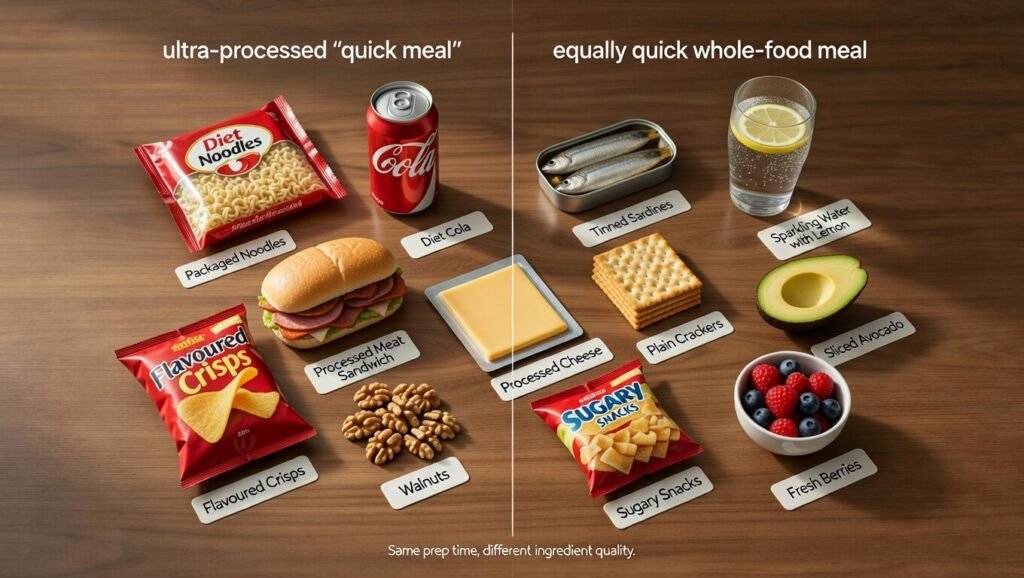
| Week 2 | Replace packaged snacks | Swap crisps (chips) and biscuits for plain nuts, rice cakes, fruit, and plain yogurt with honey. | More stable energy; less post-snack bloating |
| Week 3 | Upgrade convenience meals | Replace ready meals with 15-minute whole-food meals: tinned fish + vegetables + whole grains. Batch cooking two days per week. | Continued symptom improvement; better bowel regularity |
| Week 4 | Optimise breakfast and sauces | Replace packaged breakfast cereals with whole oats. Make simple sauces from olive oil, garlic, and herbs — eliminating emulsifier-containing jarred versions. | Measurable reduction in IBS episodes |
High-Impact Swap Reference Guide
| High-Risk UPF | Harmful Additives | Recommended Swap | Prep Time |
| Packaged sliced ham/deli meats | E250, E451, E407 | Roast chicken breast, tinned tuna, hard-boiled eggs | 0–5 min |
| Diet fizzy drinks (soda) | Aspartame, acesulfame K, phosphoric acid | Sparkling water + lemon/lime; kombucha (low-sugar) | 0 min |
| Flavoured crisps (chips) | E621, E631, BHT, artificial colours | Plain walnuts, almonds, plain rice crackers | 0 min |
| Supermarket white bread (with additives) | E471, E481, E282 | Traditional sourdough (ingredients: flour, water, salt only) | 0 min |
| Flavoured yogurt | E104, E133, E410, sucralose | Plain full-fat Greek yogurt + fresh fruit | 1 min |
| Jarred pasta sauce | E202, E211, E330, E262, flavour enhancers | Tinned chopped tomatoes + garlic + olive oil + herbs | 8 min |
| Breakfast cereal (packaged) | E320, E330, artificial colours, HFCS | Rolled oats + banana + seeds + cinnamon | 5 min (or overnight) |
| Flavoured protein bars | E471, sucralose, E322, multiple emulsifiers | Banana + almond butter; dates + walnuts; plain Greek yogurt | 1 min |
Emerging evidence suggests that microbiome alterations associated with high UPF intake may influence mood and anxiety pathways via the gut–brain axis. To understand this bidirectional relationship, see our article [Gut-Brain Anxiety Connection-2026].
For the complete gut-health nutrition framework underpinning this transition plan, return to our pillar guide. For more information, see our article: Gut Health Diet: Essential Foods and Tips
IBS Subtypes and Ultra-Processed Food Sensitivity
IBS presents in four clinically recognised subtypes, and ultra-processed food triggers interact differently with each. Understanding your subtype helps prioritise which UPF categories to address first[4].
| IBS Subtype | Primary Symptom | Most Harmful UPF Category | First Priority Elimination |
| IBS-D (diarrhoea-predominant) | Frequent loose/watery stools | Diet drinks (osmotic sweeteners); emulsifier-heavy sauces — the ultra- processed food IBS diarrhea connection is most acute in this subtype due to osmotic load | Remove all sorbitol/mannitol sources within Week 1 |
| IBS-C (constipation-predominant) | Infrequent, hard stools; straining | Low-fibre packaged foods; refined carbohydrates; dehydrating caffeine drinks | Increase fibre from whole foods; remove packaged breakfast cereals |
| IBS-M (mixed) | Alternating diarrhoea and constipation | All Group 4 UPFs, particularly emulsifiers and artificial sweeteners | Follow the full 4-week transition protocol |
| IBS-U (unclassified) | IBS symptoms without a clear pattern | Ultra-processed foods with multiple additives | Food-symptom journal for 2 weeks before targeted elimination |
⚠ IBS diagnosis should be confirmed by a gastroenterologist[5]before attributing all symptoms to diet. Inflammatory bowel disease (IBD), coeliac disease, and colorectal cancer can present with similar symptoms and require different management.
Key Takeaways
- High intake of ultra-processed foods was identified as a significant dietary predictor of IBS symptom severity in the largest study to date (Gut, 2026; n=3,400).
- Four mechanisms drive the ultra-processed foods IBS connection: emulsifier-driven mucus dissolution, artificial sweetener microbiome disruption, fibre depletion starving beneficial bacteria, and chronic low-grade inflammation.
The additives most strongly associated with worsening IBS symptoms in current research include E433, E466, E407, E420, E421, and E250 — commonly found in packaged snacks, diet products, processed meats, and sauces. - An 80/20 approach — 80% NOVA Groups 1–3, 20% flexibility — is clinically effective and behaviourally sustainable for long-term IBS management. IBS subtype influences which UPF categories to prioritise first: IBS-D patients should target osmotic sweeteners immediately; IBS-C patients should focus on fibre-depleted refined products.
Your Next Step
Sustainable improvement often begins with a single measurable change. Start by identifying one ultra-processed product you consume regularly and replace it with a minimally processed alternative for the next 14 days.
Keep a structured food and symptom log to observe trends objectively rather than relying on memory. Small, consistent adjustments may provide meaningful insight into your individual tolerance patterns.
If uncertainty remains about diagnosis or symptom progression, consult a qualified gastroenterologist or registered dietitian for personalised guidance.
FAQ
Q1: How quickly can ultra-processed foods trigger IBS symptoms?
Experimental research suggests that certain emulsifiers may alter mucus properties within relatively short exposure periods. Microbiome shifts measurable by sequencing appear within one week of a high-UPF diet. Symptom onset varies by individual sensitivity, but most IBS patients notice worsening bloating and bowel irregularity within 2–5 days of increased UPF intake. Conversely, symptom improvement after UPF reduction typically begins within 5–10 days.
Q2: Are all processed foods bad for IBS?
No. The NOVA classification system clearly distinguishes between minimally processed foods (NOVA Groups 1–3) — frozen vegetables, canned legumes, plain yogurt, traditionally made bread — which are acceptable or beneficial for IBS, and ultra-processed foods (NOVA Group 4) which are the primary concern. The harmful factor is industrial additives, not processing per se.
Q3: Which food additives are worst for IBS?
The additives with the strongest evidence for IBS symptom worsening are polysorbate 80 (E433) and carboxymethylcellulose (E466), which dissolve protective gut mucus; sorbitol (E420) and mannitol (E421), which cause osmotic diarrhoea; carrageenan (E407), which promotes intestinal inflammation; and sodium nitrite (E250) in processed meats. These appear in packaged snacks, processed meats, diet products, dairy alternatives, and sauces.
Q4: How long does it take for IBS symptoms to improve?
Most people with IBS notice meaningful symptom improvement within 2–4 weeks of significantly reducing ultra-processed foods. The 2026 Gut trial found 44% reduction in IBS symptom severity scores at 4 weeks and 61% reduction at 12 weeks when 30% of daily UPF calories were replaced with whole-food equivalents. Individual timelines vary based on IBS subtype, baseline microbiome state, and adherence.
Q5: Can I still eat convenience foods with IBS?
Yes — the goal is strategic reduction, not perfection. Focus on replacing the highest-risk UPFs (packaged snacks with emulsifiers, processed meats, diet drinks, fast food) while choosing minimally processed convenience options: plain tinned fish, frozen vegetables, plain rice cakes, traditional sourdough, and whole-food snack bars with five or fewer recognisable ingredients. An 80/20 approach is both sustainable and clinically effective.
Nutrition and Gut-Brain Health
This article is part of the Comprehensive Gut Health & Nutrition Series — an evidence-based collection of guides exploring the gut microbiome, digestive health strategies, and the direct connection between nutrition and mental and physical performance.
→View all Nutrition and Gut-Brain Health series articles here
Resources https://theweekgeek.com/gut-brain-health-series/
- [1] WHO: Healthy Diet —
https://www.who.int/europe/news/item/23-01-2023-who-european-regional-obesity-report-2022 - [2] NIH/PMC: Dietary Fiber Intake and Gut Microbiota in Human Health. https://pmc.ncbi.nlm.nih.gov/articles/PMC9787832/
- [3] Harvard T.H. Chan: Ultra-Processed Foods Research- https://nutritionsource.hsph.harvard.edu/processed-foods/
- [4] British Dietetic Association (BDA): IBS and Diet
https://www.bda.uk.com/resource/irritable-bowel-syndrome-diet.html - [5] Mayo Clinic: Irritable Bowel Syndrome
https://www.mayoclinic.org/diseases-conditions/irritable-bowel-syndrome/symptoms-causes/syc-20360016